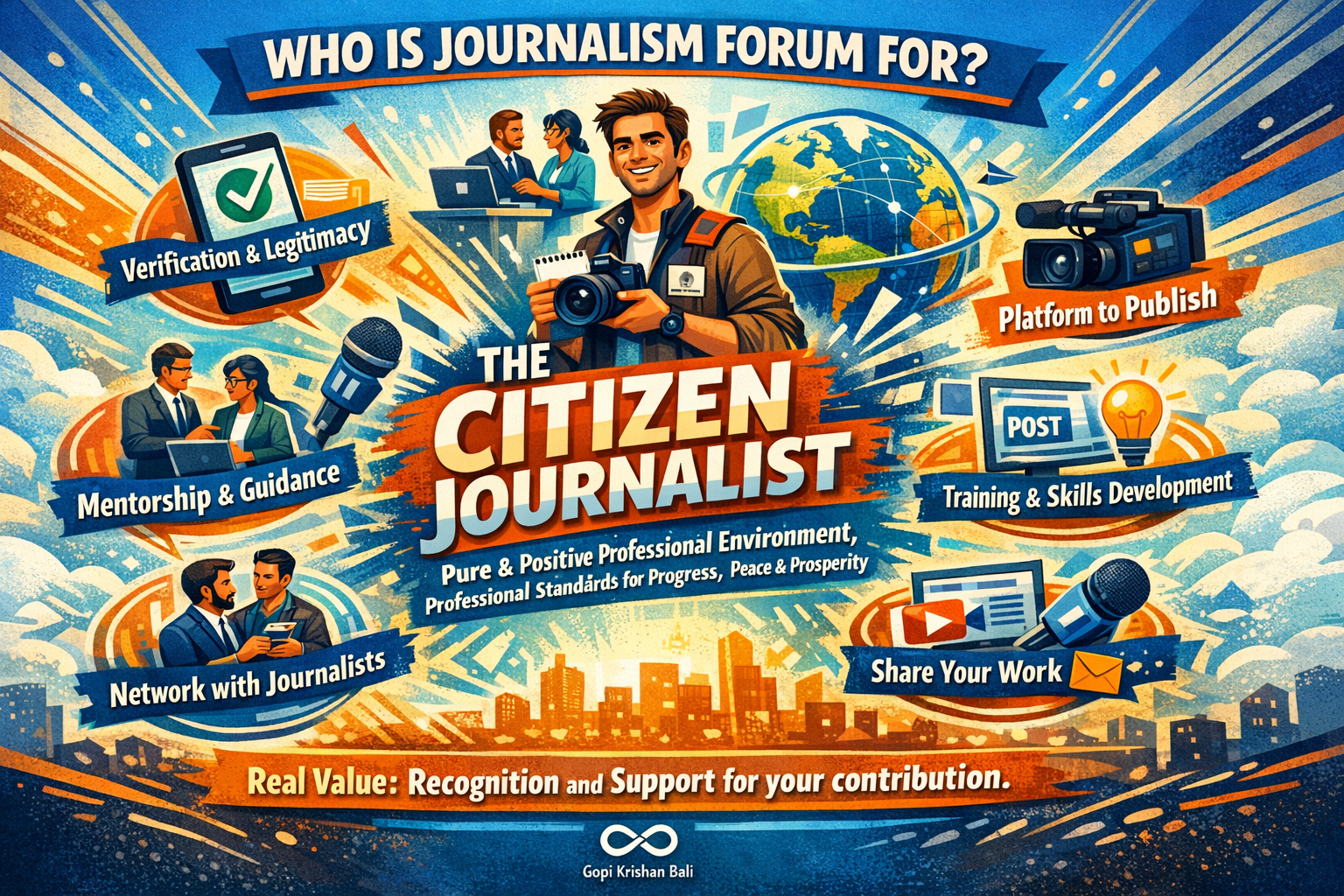
(Spoiler: It Might Be You) The NxtGen City Journalist
The Traditional Journalist
You know this person. They work for a newspaper, TV channel, or news website. They have a press card, a byline, maybe a desk in a newsroom.
They might cover:
- Politics and government
- Crime and courts
- Business and economy
- Sports and entertainment
- International affairs
Reality Check: This traditional path is changing fast.
Twenty years ago, this was basically your only option. Today, it’s one of many paths into journalism.
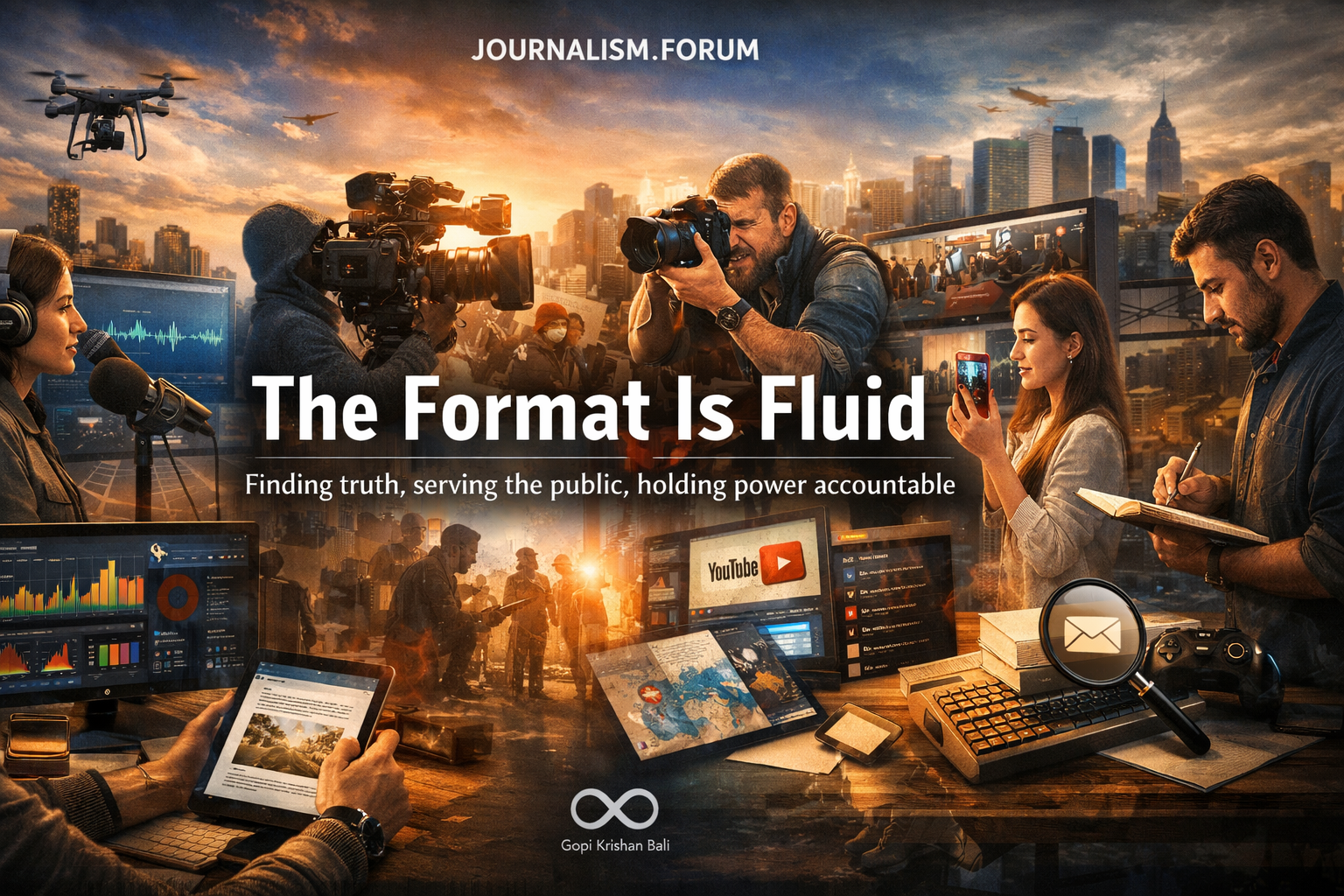
The Digital-First Journalist
They might never step into a traditional newsroom. Their office is a laptop and WiFi.
They could be:
- Building an audience on YouTube, explaining politics to millions
- Running an Instagram account that exposes civic issues
- Writing investigative newsletters that people pay to read
- Creating TikToks that make complex economics understandable to Gen Z
Real Example: Dhruv Rathee started making YouTube videos. No journalism degree. No newsroom job. Just a smartphone, curiosity, and commitment to fact-checking.
Today? Millions of subscribers. Significant influence on political discourse. Making a living from journalism. All digital. All on his terms.
The Specialist Journalist
These journalists own a niche:
Science Journalists who can explain CRISPR gene editing to non-scientists Data Journalists who find stories in spreadsheets that others miss Climate Journalists who connect weather events to policy failures Health Journalists who translate medical jargon into life-saving information Tech Journalists who explain how AI will change your job
The Opportunity: India has 1.4 billion people but critically few journalists who deeply understand specialized fields. If you have expertise in science, technology, finance, health, law, or any specialized domain—and you can write clearly—you have a unique advantage.
The Freelance Journalist
No desk. No boss. No single employer.
They pitch story ideas to different publications. They work on long-form investigations. They juggle multiple projects. They own their careers.
The Reality:
- More freedom and flexibility
- More hustle and uncertainty
- More control over what stories you tell
- More responsibility for finding work
Freelancing isn’t for everyone, but for independent spirits with strong self-discipline, it can be incredibly rewarding.
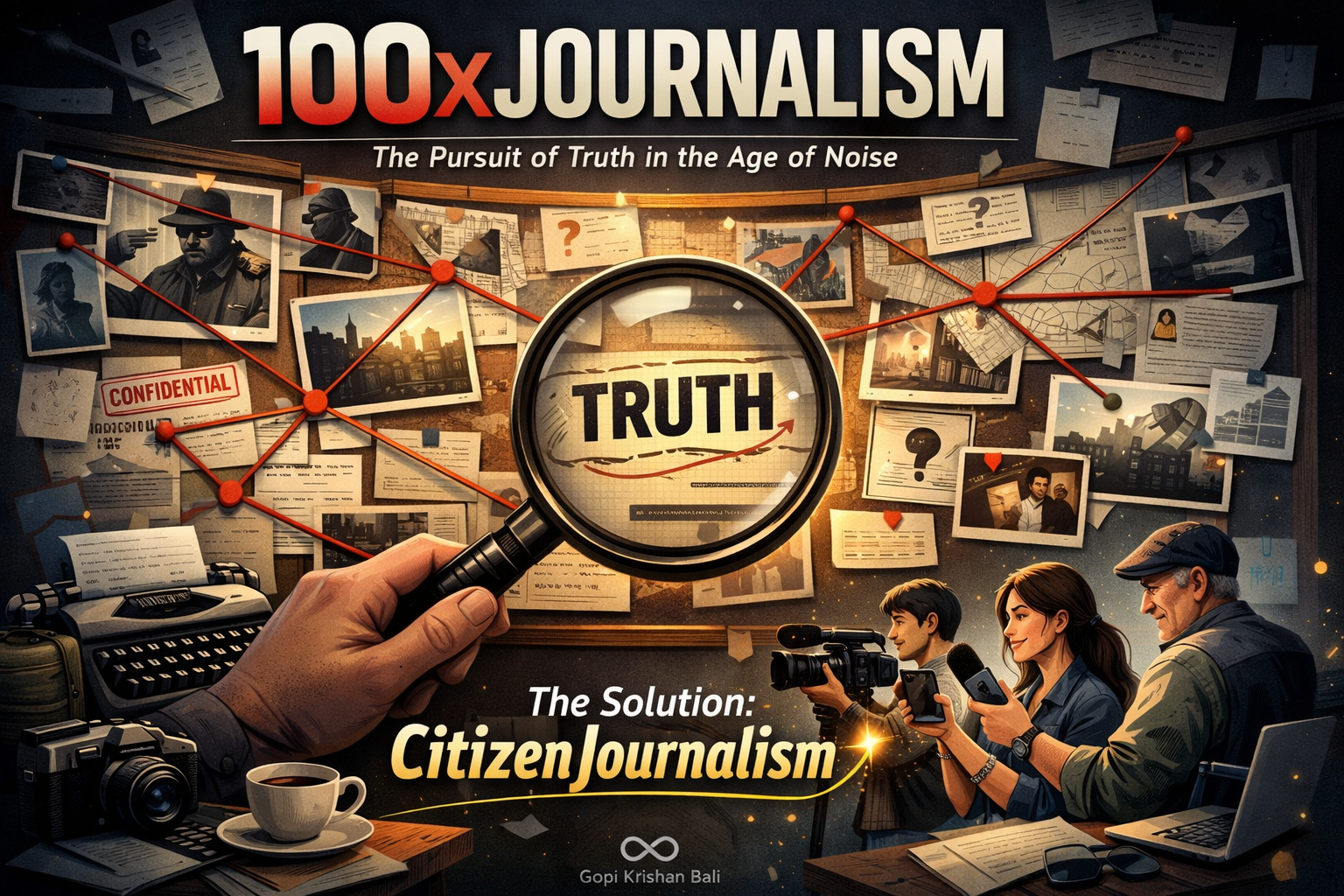
The Citizen Journalist
Here’s where it gets interesting.
You don’t need a degree in journalism to practice journalism. You don’t need a press card. You don’t need permission.
If you:
- Document an event as it happens
- Investigate an issue in your community
- Hold local officials accountable
- Share verified information during a crisis
- Expose wrongdoing you’ve witnessed
You’re doing journalism.
Real Example: Remember the video of George Floyd’s death? Filmed by a 17-year-old high school student named Darnella Frazier with her smartphone.
That single video:
- Sparked global protests
- Changed laws
- Held murderers accountable
- Won a Pulitzer Prize
Darnella wasn’t a trained journalist. But she did journalism that mattered more than most “professional” journalism that year.
The Hybrid Journalist
The future of journalism isn’t “either/or” it’s “and.“
You might:
- Work part-time for a traditional outlet AND freelance
- Have a day job AND investigate issues you care about
- Teach journalism AND practice journalism
- Run a business AND do journalism about that industry
The Point: There’s no single path into journalism anymore. There’s no “right way” to be a journalist.
There’s only one question: Are you committed to truth, accuracy, and serving the public interest?
If yes, you’re journalist material.