
The Future You’ll Shape | The Crisis Is Real
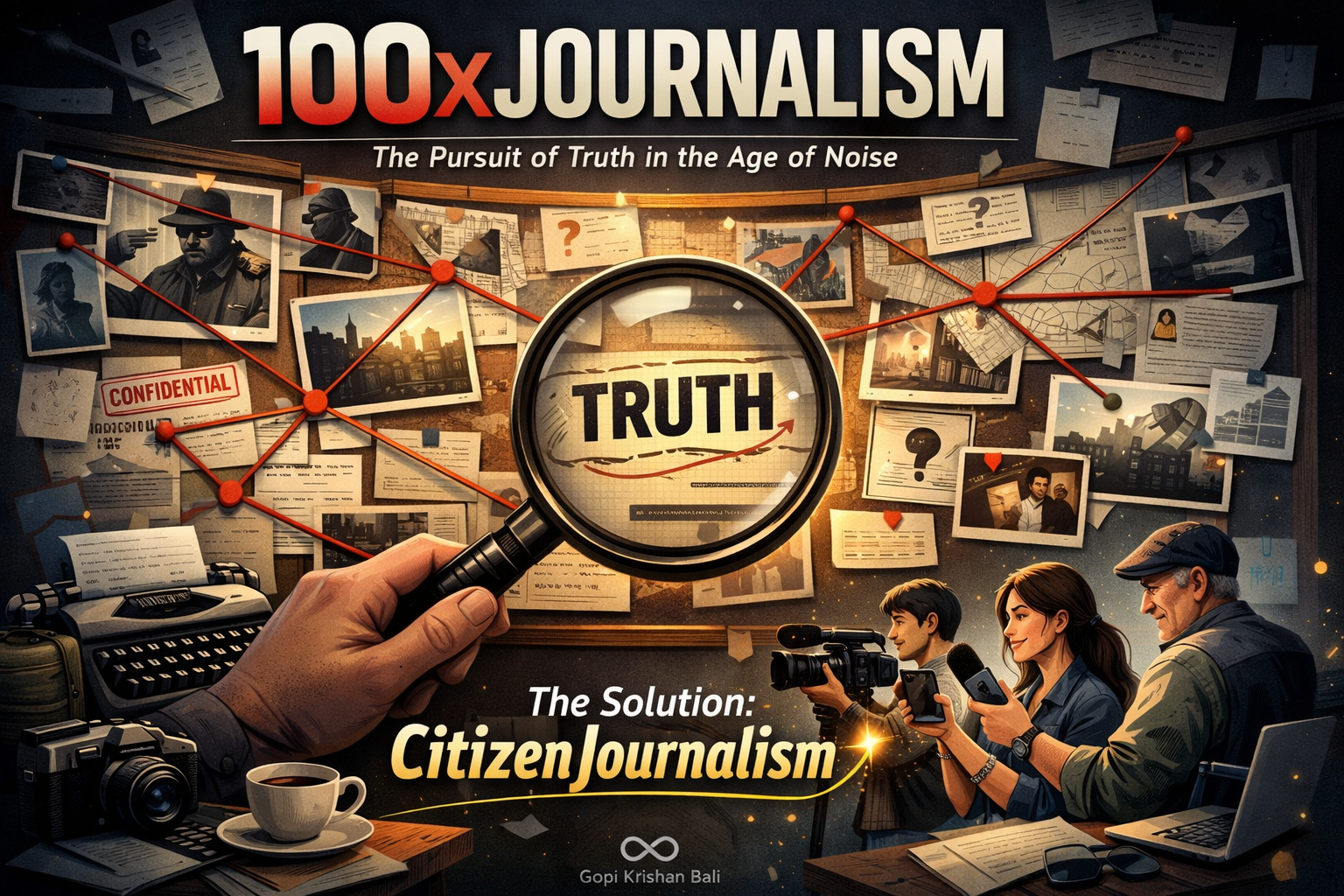
Let me be honest with you: Traditional journalism is facing an existential crisis.
The Problems:
- Newspaper circulation is declining (down 30%+ in the last decade)
- Advertising revenue has collapsed (moved to Google and Facebook)
- Newsrooms are shrinking (thousands of journalists laid off)
- Public trust is falling (accusations of bias, corporate control)
- Business models are broken (how do you make money?)
Sound depressing?
Here’s the plot twist: Journalism isn’t dying. It’s evolving.
And evolution creates opportunity.
The Opportunity Is Enormous
While traditional journalism struggles, journalism itself has never been more important or more possible.
What’s Changing:
Technology Has Democratized Tools
- Professional cameras cost ₹10,000, not ₹10 lakhs
- Editing software is free or cheap
- Distribution is instant and global
- You can reach millions without a printing press or TV station
Audiences Are Hungry for Quality
- Millions of Indians are online for the first time
- They need trustworthy information
- They’ll pay for quality (see Subscription models working)
- They want diverse voices, not just traditional media
New Models Are Working
- Digital-first outlets thriving (The Ken, Newslaundry, The Wire)
- Independent journalists building sustainable businesses
- Niche publications finding devoted audiences
- Subscription and membership models proving viable
Stories Need Telling
- 1.4 billion people’s stories in India alone
- Countless issues under-covered or ignored
- Regional and language journalism underserved
- Specialist coverage desperately needed
The Skills You’ll Need
The journalism of tomorrow requires different skills than yesterday.
Traditional Skills (Still Essential):
- Clear writing
- Critical thinking
- Interview techniques
- Fact-checking
- Source development
- Ethical judgment
New Skills (Increasingly Essential):
- Video storytelling (YouTube, Instagram, TikTok)
- Data analysis (finding stories in numbers)
- Social media mastery (distribution and engagement)
- Multimedia production (one person, many formats)
- Business literacy (especially if independent)
- Technology understanding (AI, algorithms, platforms)
- Audience development (building and serving communities)
Good News: You don’t need to master everything. But you need to be competent in several areas beyond just writing.
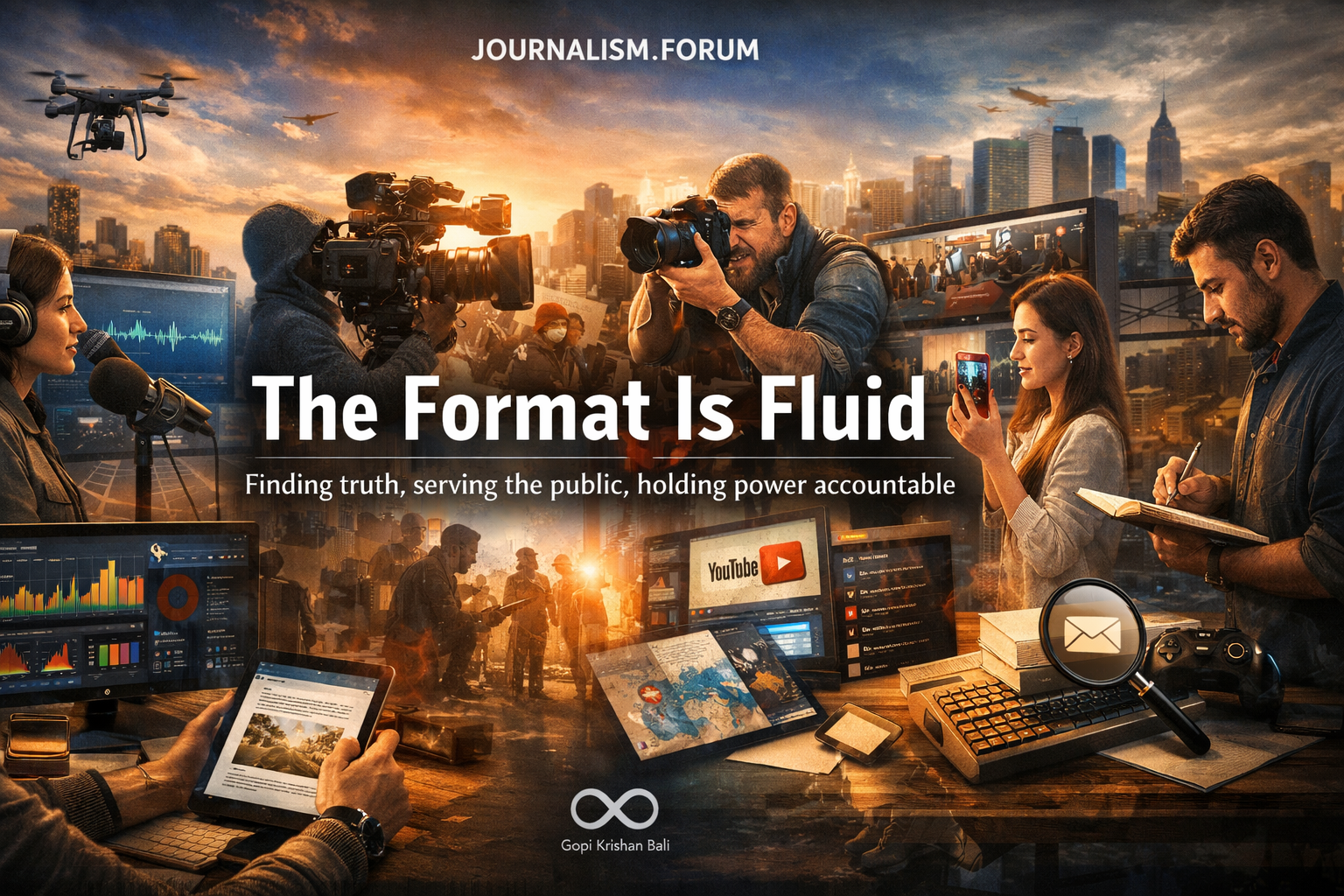
The Format Is Fluid
Journalism isn’t just newspaper articles anymore.
Today’s journalists create:
📹 Video documentaries 🎙️ Investigative podcasts 📊 Data visualizations 📸 Photo essays 📱 Instagram explainers 💬 Twitter threads 📧 Email newsletters 🎮 Interactive experiences 📺 YouTube channels 📝 Long-form deep dives
The medium matters less than the mission: Finding truth, serving the public, holding power accountable.
The Business Models Are Multiplying
Twenty years ago: Work for a newspaper or TV station. That was it.
Today:
Traditional Employment
- News organizations (though fewer positions)
- Better work-life balance typically
- Stable (if you can get in)
Freelancing
- Multiple clients
- More freedom, more hustle
- Payment per piece or project
Digital Creator
- Build your own audience
- YouTube ads, sponsorships, memberships
- Complete independence
Subscription Newsletter
- Direct relationship with readers
- Readers pay for your work directly
- Substack, Ghost, etc.
Consultancy
- Help organizations with content and communication
- Well-paid if you build expertise
- Mix journalism with business
Hybrid Models
- Part-time employment + freelancing
- Day job + passion project journalism
- Teaching + practicing
The Point: You have options. More than ever before.